
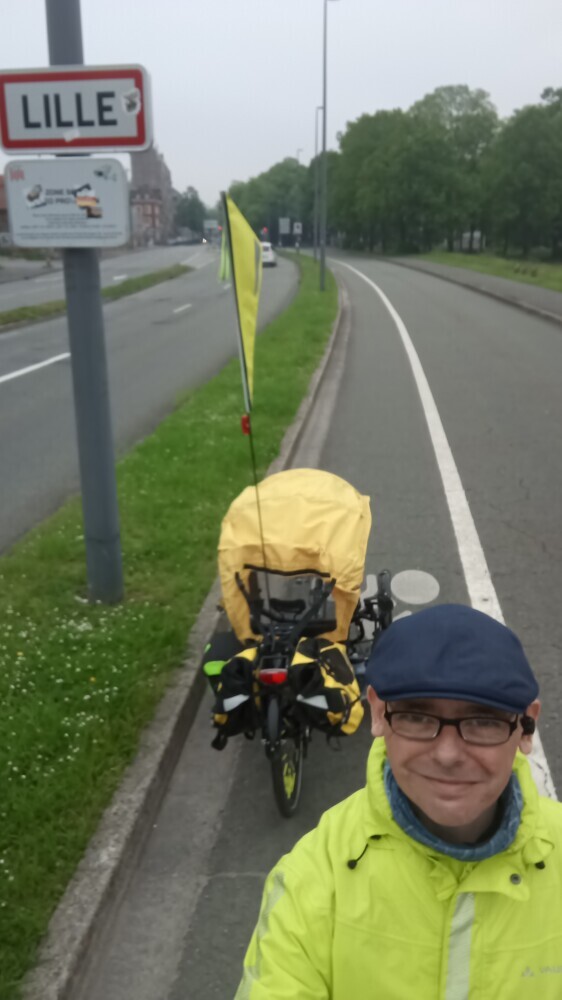
🚴 Hello, Bonjour, Hoi! How Cyclists Greet Each Other Across Europe On A Trike Tour 🚴

🌱 Cycling is more than a means of transport. It’s a lifestyle, a passion, a journey of the soul. And every journey begins not just with a pedal stroke, but often with a smile or a greeting—or the absence of one. Whether you’re zipping through tulip fields or winding up a forested hill, how fellow cyclists acknowledge you can reveal deep insights about local culture. In this post, we roll through five European regions I’ve personally cycled with my recumbent trike, exploring the way cyclists greet (or don’t) and what that says about their vibe. Prepare to be surprised.
✅ Netherlands: Where Hoi Means Hello and Connection Comes Naturally
Cycling in the Netherlands is a national ritual. Paths are everywhere, and the moment you hop on your trike, you’re part of a living, breathing cycling ecosystem. Here, greetings are not only common—they’re part of the flow. Expect cheerful, amical greetings like:
- “Hoi!”
- “Hoi hoi!”
- “Dag!”
- “Hallo!” or just a warm “Hey!”
Especially in suburban or rural areas, cyclists greet with casual ease—as if you were a long-lost friend. It’s a small gesture that instantly uplifts your ride. What struck me most is how naturally Dutch people approach me when I’m stopped somewhere. My recumbent trike, a real head-turner, draws all kinds of questions and comments. There’s no shyness here. The Dutch are forward, curious, and genuinely interested:
“Is dat comfortabel?”
“Hoe snel gaat dat ding?”
“Wat kost zoiets?”
The openness makes every ride feel connected, even among strangers.
🔧 Flanders: Smooth Roads, Silent Riders
Crossing into Flanders feels like flipping a cultural switch. The infrastructure remains excellent, but the social energy changes.
Here, greetings between cyclists are rare. Very rare. You might offer a friendly “Hallo” or “Dag” and be met with silence. It’s not impolite, just… indifferent. Flemish cyclists tend to stay in their own lane, both literally and socially.
What surprised me most is the contrast to their Dutch neighbors. Despite sharing a language, the behavior is worlds apart. Even when riding in scenic countryside, cyclists seldom greet one another. There’s a kind of quiet discipline, a focus on the ride itself.
When stopped, people might glance at my recumbent trike with interest. But only occasionally do they approach or ask questions. When they do, it’s often cautiously polite, sometimes with a smile, but rarely with the spontaneous curiosity I encounter in the Netherlands.
💡 Wallonia: Bonjour, Cycliste! Let the Conversations Begin
Enter Wallonia, the French-speaking part of Belgium, and you immediately feel a cultural warmth. Greetings are back—and they’re friendly, frequent, and full of charm:
- “Salut!”
- “Bonjour!”
- “Bon courage!” if you’re climbing a hill
Even pedestrians greet cyclists, often with genuine smiles. It’s not just formality—it feels heartfelt. The difference between Flemish and Wallonian cyclists is like night and day.
In Wallonia, my recumbent trike doesn’t just turn heads—it starts conversations. People come up to me with curiosity and enthusiasm. They want to know where I’m from, where I’m headed, and how it feels to ride “un vélo comme ça.”
“C’est confortable, ce truc?”
“Vous voyagez souvent comme ça?”
The human warmth here makes every (s)mile more joyful. Wallonia reminds you that even a simple “Bonjour” can lead to a meaningful moment.
📂 France: Where Your Trike is a Ticket to Connection
If Wallonia is warm, France is hot when it comes to greetings. Whether you’re cycling through a quiet village or along a country road, people greet you with gusto. They wave, they smile, they shout:
- “Bonjour!”
- “Bonne route!”
- “Bon courage!”
And it doesn’t stop there. In France, people don’t just greet—they engage. They cross streets to talk to you. They ask questions, offer food or water, and sometimes even invite you in. And yes, more than once, people asked for my phone number or email just because they were fascinated by the trike.
“Vous venez de loin?”
“C’est électrique ou tout à la force des jambes?”
The French have a talent for turning curiosity into connection. Every stop becomes a story, every conversation a little memory.
🚗 Germany: Reserved Riders, Selective Greetings
Finally, we roll into Germany, where things become more nuanced.
In Germany, greetings are not automatic. They’re situational. Regional. Individual. A bit like German grammar—structured and rule-based.
In cities or busy routes, don’t expect greetings. In rural areas, they’re more likely, but still far from guaranteed. A passing nod, a quiet “Hallo,” or a raised hand might happen if conditions are just right.
But Germans are often fascinated by the technical side of things. When I stop somewhere with my trike, I notice analytical eyes and thoughtful pauses. And then come the questions:
„Was wiegt das?“
„Wie schnell fährt man damit?“
„Ist das schwerer als ein normales Fahrrad?“
There may not be a lot of small talk, but once a German cyclist opens up, the depth of conversation can be surprisingly rich. You just have to wait for the right moment.
🌟 Advanced Insights: Cultural Patterns in Greetings
Why do these differences matter? Because they show how even the smallest human behaviors can reflect larger cultural themes:
- Openness vs. reservation
- Spontaneity vs. structure
- Connection vs. individuality
Your recumbent trike acts as a social mirror, revealing how cultures respond to uniqueness, curiosity, and human contact. Understanding these subtleties helps you navigate not just the roads, but the hearts of the people you meet.
🚲 Components That Spark Curiosity
🔧 Unusual frame design – Always a magnet for questions, especially in France and Wallonia
🔋 Electric assist (if any) – Frequently asked about in Germany and France
🔄 Turning radius and comfort – The top question in the Netherlands: “Is dat comfortabel?”
🧹 Storage bags or trailer – People love asking what’s inside or where you’re going
❓ Frequently Asked Questions
❓ Why don’t cyclists greet in Flanders?
It’s a cultural thing—Flemish riders tend to be more reserved and focused on the ride.
❓ Where are cyclists most friendly?
In my experience, France and Wallonia top the list for open, warm greetings and meaningful interaction.
❓ Do people often ask questions about your trike?
Absolutely—especially in the Netherlands and France. It often leads to longer conversations.
🗓️ Long-Term Strategy for Trike Tourers
As you continue your trike journeys, remember: greetings are more than just words. They are invitations. They can lead to shared meals, safe places to camp, lifelong memories, and new friendships.
So stay open. Smile first. Wave when it feels right. Learn to read the local energy. And above all—let your presence be a gift to the road.
🏁 Final Thoughts
Cycling across borders doesn’t just change the landscape. It changes how people see you on your trike—and how they respond to your presence. From the cheerful “Hoi!” of the Dutch to the heartfelt “Bonjour!” of the French countryside, every greeting (or lack thereof) adds color to your journey.
So next time you’re out there, cruising through the (s)miles, listen closely. Not just to your gears or the wind—but to the subtle language of human connection. And if someone greets you with a smile, return it with joy. You never know where a simple “Hallo” might lead.
Until then: Ride far. Ride free. Ride with heart.